The Evolution of Online Slots: From Classic to Cutting Edge
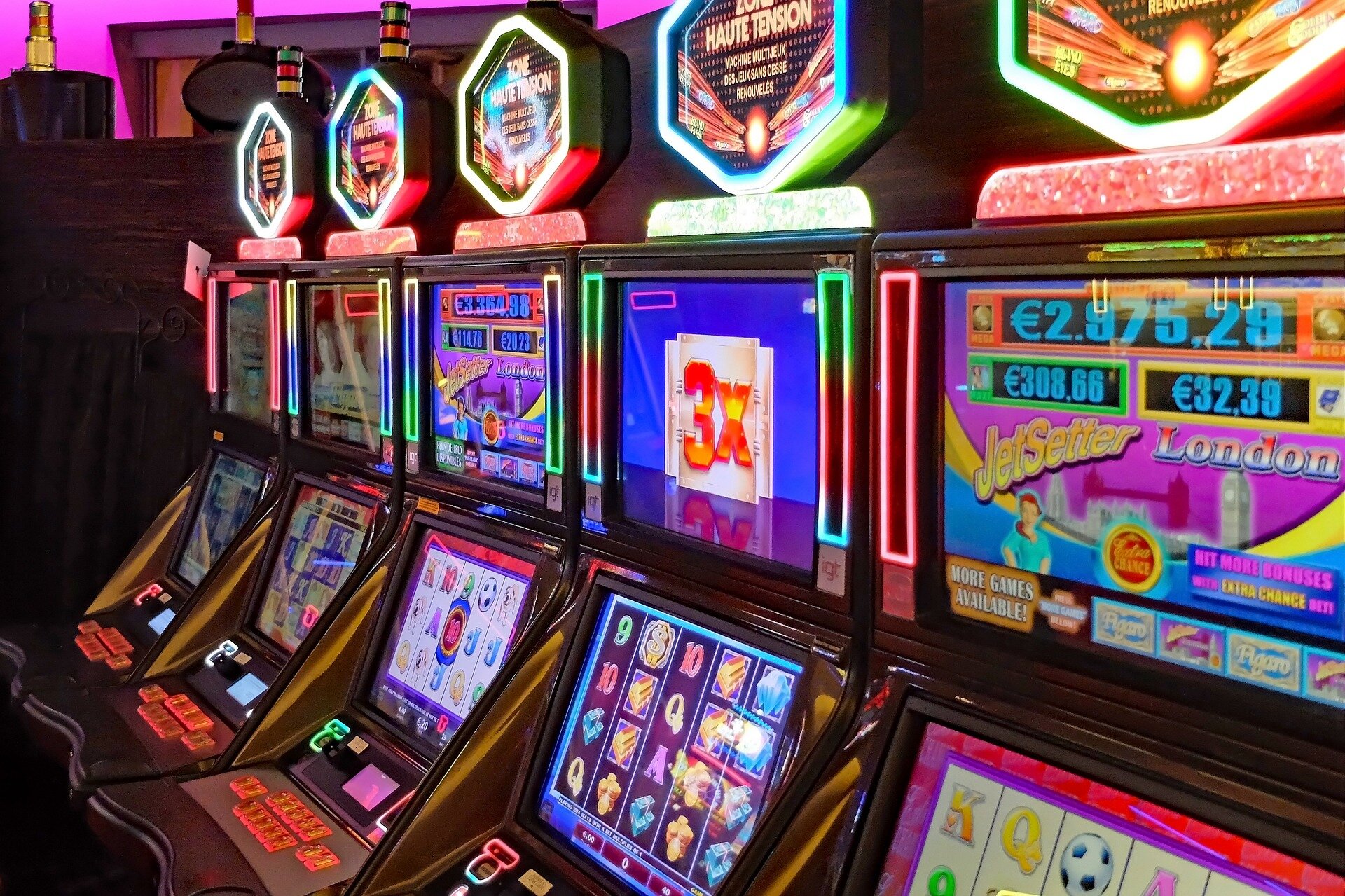
The world of online slots has come a long way since its inception, evolving from simple, mechanical machines to the cutting-edge, interactive games we see today. Online slots have always been a staple of the digital casino world, Winstar88 offering players a thrilling and accessible gaming experience with the potential for significant rewards. But behind their flashy graphics, exciting bonus rounds, and immersive themes, there is a rich history of innovation and technological advancements that have shaped the evolution of online slots. In this article, we’ll explore the journey of online slots from their humble beginnings as simple one-armed bandits to the modern-day, feature-packed games that continue to captivate millions of players around the globe.
The story of online slots begins with the advent of the original slot machines, which can be traced back to the late 19th century. The first-ever slot machine, known as the Liberty Bell, was invented by Charles Fey in 1895. It featured three spinning reels and a single payline, with symbols such as horseshoes, diamonds, and the iconic Liberty Bell. This simple mechanical machine laid the foundation for the slot games that would follow, becoming a staple in bars, casinos, and other establishments. For decades, slot machines remained largely unchanged, sticking to the basic mechanics of spinning reels and aligning symbols for a payout.
However, as technology progressed, so did the design and functionality of slot machines. In the 1960s, electromechanical slot machines were introduced, allowing for more advanced features such as automatic payouts and multiple paylines. These machines paved the way for the first electronic slot machines, which appeared in the 1970s. The introduction of electronic components enabled slot machines to become more dynamic, with the ability to handle more complex game features, including the option for multiple paylines and different betting options. These early electronic slots were still limited to physical casinos, but the shift to digital platforms was already beginning to take shape.
The true evolution of online slots began in the mid-1990s with the rise of the internet and the establishment of the first online casinos. As internet technology advanced, developers saw an opportunity to bring the excitement of slot machines to the virtual world. The first online slot game, Cash Splash, was launched in 1994 by Microgaming, one of the leading software providers in the online gambling industry. This marked a significant milestone in the history of online slots, as it allowed players to enjoy the thrill of slot gaming from the comfort of their homes. These early online slots mirrored their land-based counterparts, featuring basic 3-reel formats and limited paylines, but they laid the groundwork for what was to come.
Over the next decade, the online slot industry saw rapid growth and innovation. The early 2000s witnessed the introduction of 5-reel slots, which added an extra layer of excitement and complexity to the gameplay. With five reels, developers could incorporate more intricate symbols, bonus features, and greater potential for bigger payouts. These games quickly gained popularity, offering a more immersive and engaging experience compared to traditional 3-reel slots. The introduction of progressive jackpots further fueled the popularity of online slots. Progressive jackpot slots feature a jackpot that grows every time the game is played but not won, creating the potential for life-changing payouts. Games like Mega Moolah and Major Millions became household names, attracting players with their enormous prize pools and the excitement of the chance to win big.
As the demand for more engaging experiences increased, online slot developers began to explore new technologies and features to keep players entertained. The mid-2000s saw the rise of themed slots, where the gameplay was inspired by movies, TV shows, music, and pop culture. These games featured elaborate graphics, animations, and soundtracks that brought the themes to life, allowing players to immerse themselves in worlds based on their favorite characters and franchises. Titles like Lord of the Rings, Batman, and Game of Thrones became immensely popular, showing that online slots could be more than just a game of chance—they could also be a form of entertainment in their own right. Themed slots became a key selling point for online casinos, and their appeal continues to this day.
The next major step in the evolution of online slots came with the introduction of 3D slots. Unlike traditional 2D games, 3D slots offered a more visually dynamic experience, incorporating advanced graphics, animations, and cinematic effects. Games like Gonzo’s Quest and Immortal Romance used 3D technology to create immersive environments, bringing the action to life with stunning visuals and engaging storylines. These innovations made online slots feel more like interactive experiences, rather than just games of chance. As a result, 3D slots became a staple in the industry, offering players an unparalleled level of entertainment and excitement.
Another significant development in the evolution of online slots was the integration of bonus features and free spins. These features added layers of excitement and interactivity to the gameplay, allowing players to trigger special rounds that offered additional rewards or multipliers. Bonus rounds could take many forms, such as pick-and-click games, where players select items to reveal hidden prizes, or expanding wilds, where the wild symbol can cover entire reels to increase the chances of winning. Free spins, often triggered by landing a certain number of scatter symbols, gave players additional chances to win without placing a new bet, adding an element of strategy and anticipation. These features enhanced the gaming experience and provided players with more ways to win, making online slots even more appealing.
As the digital age progressed, the advent of mobile technology further transformed the world of online slots. The proliferation of smartphones and tablets meant that players could now enjoy their favorite slot games on the go. Mobile slot games, optimized for touchscreen devices, allowed players to spin the reels wherever they were, whether they were at home, commuting, or on vacation. This increased accessibility further fueled the popularity of online slots, making them available to a wider audience than ever before. Many online casinos now offer mobile-compatible games, ensuring that players can enjoy a seamless experience across different platforms.
One of the most exciting innovations in the modern era of online slots is the introduction of video slots and interactive features. Video slots take the concept of online slots to a whole new level, offering players interactive storylines, intricate animations, and innovative gameplay mechanics. These games often feature multiple bonus rounds, interactive mini-games, and unique ways to trigger wins. Titles like Jack and the Beanstalk and Mega Fortune have taken slot gaming to new heights, incorporating video-style narratives and complex features that engage players beyond simple reel-spinning. These interactive features give players more control over their experience, allowing them to actively participate in the game rather than just relying on luck.
The rise of virtual reality (VR) and augmented reality (AR) is another frontier for the future of online slots. Although still in its early stages, VR and AR technology have the potential to completely transform the online gambling experience. Imagine stepping into a virtual casino environment where you can physically interact with slot machines, sit at a virtual slot table, and experience the game in an entirely new way. VR and AR technologies offer the potential for a fully immersive gaming experience, where players can engage with the game and other players in a more lifelike, interactive setting. While these technologies are still in development, they represent the next big step in the evolution of online slots, promising to deliver an even more exciting and engaging experience for players.
In addition to technological advancements, the design of online slots has also evolved to reflect changing player preferences and trends. Today’s online slots are more diverse than ever, offering a wide range of themes, features, and betting options to suit all types of players. From classic fruit machines to high-volatility games with massive jackpot potential, there’s a slot game for every taste and budget. Developers have also embraced gamification, incorporating elements such as achievements, challenges, and rewards systems to keep players engaged and motivated. These features encourage players to keep spinning the reels and exploring new games, creating a more dynamic and rewarding gaming experience.
Furthermore, the integration of responsible gambling features has become an essential aspect of modern online slots. Many online casinos now offer tools that help players manage their spending and gameplay, such as deposit limits, time limits, and self-exclusion options. These features ensure that players can enjoy online slots in a safe and controlled environment, promoting responsible gaming practices and protecting vulnerable players from excessive gambling.
In conclusion, the evolution of online slots has been a journey of technological innovation, creativity, and player-centered design. From their simple beginnings as mechanical one-armed bandits to the cutting-edge, immersive experiences of today, online slots have continuously adapted to meet the changing demands of players. As new technologies such as VR, AR, and gamification continue to shape the future of online gaming, it’s clear that the evolution of online slots is far from over. Whether you’re a fan of classic games or you’re excited to try out the latest innovations, the world of online slots will undoubtedly continue to evolve, offering new thrills and bigger rewards for players around the globe.
You may also like

Leave a Reply