Home Energy Storage Systems: Why They’re Not Just A Trend, But A Necessity
The Reality of Energy Storage
Imagine living in a world where summer thunderstorms lead to power outages, leaving your family in the dark. In fact, according to the U.S. Energy Information Administration, outages can occur anywhere from 1 to 5 times a year for the average household. This highlights a critical question: Are you prepared for the inevitable? Home energy storage systems, specifically the residential battery energy storage system, have emerged as a solution not just for backup power but for energy savings as well.
Understanding Residential Energy Storage
I remember visiting a friend who recently installed a solar panel system coupled with a residential battery energy storage system. She was genuinely excited about the prospect of slicing her electricity bills. However, one thing struck me: while the solar panels generated electricity during sunny days, without a storage system, she was still reliant on the grid at night. That’s where the flaw in traditional solutions lies—many homeowners think just installing solar panels is enough. The reality is, without a way to store excess energy, you’re only using half the potential of your investment. For anyone considering energy independence, understanding this gap is crucial.
What Are the Downsides?
Traditional energy sources have their flaws—aging infrastructure and skyrocketing energy costs are just a few. But when you switch to a residential battery energy storage system, you embrace not only independence but a sustainable future. I’ve seen firsthand how systems like these mitigate reliance on fluctuating energy prices. Not to mention, they offer peace of mind during outages, which is more valuable than gold. Consider the advantages: after all, why suffer in silence when there’s a solution at hand?
Future-Proofing Your Home Energy Needs
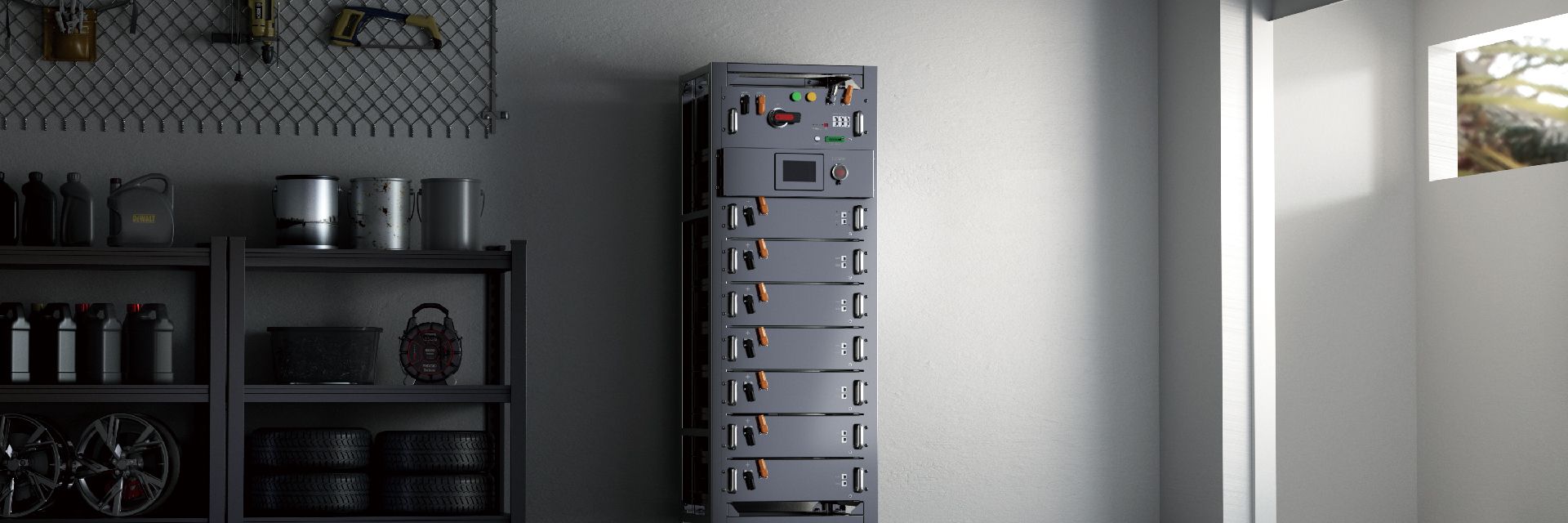
Looking forward, it’s clear that renewable energy sources, particularly residential battery energy storage systems like those from Topband, are not just a passing phase. I’ve watched the industry evolve over the last decade, and the rapid technological advancements make today’s systems more efficient and reliable than ever. By 2025, the International Energy Agency estimates that the market for home batteries will grow substantially, largely driven by consumer interest in energy independence and carbon reduction.
What’s Next for Energy Storage?
With every leap in technology, better batteries are being developed. You used to hear about lithium-ion batteries dominating the market, but now we’re entering the era of solid-state batteries. Who knows what that could mean for energy density and lifespan! These innovations are set to change the game, making systems more accessible, efficient, and affordable. When you invest today, consider how future developments could amplify your initial choice. Believe me, being ahead of the curve could save you a lot of headaches down the road.
Final Thoughts on Energy Storage Solutions
As we’ve explored, the transition to residential battery energy storage systems represents more than just an upgrade—it’s reshaping how we think about energy consumption. Remember, look for solutions that offer longevity, safety, and, of course, value for your investment. I recommend focusing on key areas like lifespan, capacity, and adaptability to future technologies in your evaluations. In this rapidly changing environment, staying informed is your best ally. At the end of the day, transitioning to energy independence is a choice you won’t regret; it’s an opportunity for empowerment.
Engaging with this essential shift requires a commitment, but the benefits can outweigh the challenges—especially when you partner with a leader in the field like Topband. I encourage you to dive into this journey, not just for yourself, but for future generations, and reclaim your power—literally!
You may also like

Leave a Reply