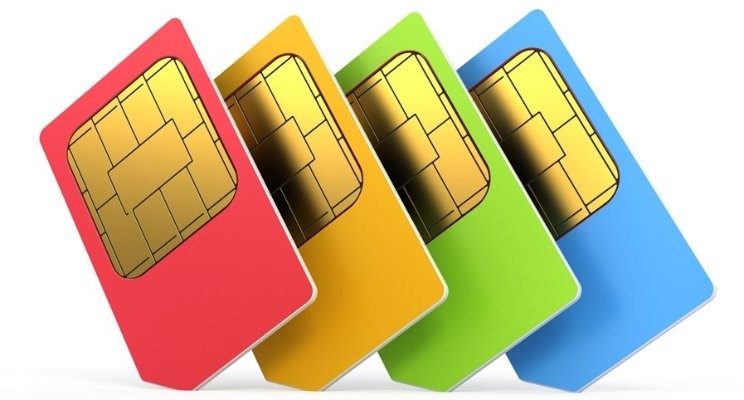
In the rapidly evolving landscape of mobile communications, eSIM technology represents a significant leap forward from traditional SIM cards. As digital transformation accelerates, eSIMs offer greater flexibility, convenience, and efficiency asian esim for both consumers and businesses alike. This article explores the fundamentals of eSIM technology, its benefits, adoption trends, challenges, and the future implications for mobile connectivity.
- Understanding eSIM Technology:
An embedded SIM (eSIM) is a programmable SIM card that is embedded directly into a device’s hardware during manufacturing. Unlike traditional SIM cards, which are physical, removable chips, eSIMs are virtual and can be provisioned and reprogrammed remotely over-the-air (OTA) by mobile network operators (MNOs). This flexibility eliminates the need for physical SIM cards and simplifies the process of switching between mobile networks and plans.
- Benefits of eSIM Technology:
a. Flexibility and Convenience: Users can switch between different mobile carriers and plans without needing to physically replace SIM cards. This is particularly advantageous for travelers, who can switch to local carriers without acquiring a new SIM card.
b. Space Efficiency: eSIMs free up physical space within devices, allowing for slimmer designs and potentially more room for other components such as larger batteries or advanced sensors.
c. Environmental Impact: By reducing the need for physical SIM cards and their associated packaging, eSIM technology contributes to reducing electronic waste and carbon footprint.
d. Security: eSIMs offer enhanced security features compared to traditional SIM cards, such as built-in encryption and tamper-resistant capabilities, reducing the risk of SIM cloning and other forms of cyberattacks.
- Adoption Trends and Industry Implementation:
a. Consumer electronics: eSIM technology is increasingly integrated into a wide range of consumer electronics, including smartphones, tablets, smartwatches, and IoT devices. Major manufacturers such as Apple, Samsung, Google, and Microsoft have adopted eSIMs in their latest device models, driving mainstream adoption.
b. IoT and M2M Applications: The internet of Things (IoT) and Machine-to-Machine (M2M) communication sectors benefit greatly from eSIM technology. eSIMs enable seamless connectivity for IoT devices across different regions and networks, facilitating global deployments and enhancing operational efficiency.
c. Mobile Network Operators (MNOs): Telecommunication companies worldwide are embracing eSIM technology to streamline operations, reduce logistics costs associated with physical SIM distribution, and offer innovative digital services. MNOs are developing eSIM management platforms to support provisioning, activation, and remote management of eSIM profiles.
- Challenges and Considerations:
a. Interoperability: Ensuring interoperability between different eSIM-enabled devices and mobile networks remains a challenge. Standardization efforts by organizations like the GSMA (Global System for Mobile Communications Association) aim to address compatibility issues and promote global adoption.
b. Consumer Awareness: Despite its benefits, eSIM technology is still relatively new to many consumers. Educating users about the advantages of eSIMs, compatibility with devices, and activation processes is crucial for widespread adoption.
c. Regulatory Landscape: Regulatory frameworks vary across regions, influencing the deployment and usage of eSIM technology. Regulatory bodies are addressing issues such as consumer protection, privacy, and interoperability standards to support the growth of eSIM adoption.
- Future Implications and Innovations:
a. 5G and Beyond: As 5G networks continue to roll out globally, eSIM technology will play a pivotal role in enabling high-speed connectivity and supporting advanced applications such as augmented reality (AR), virtual reality (VR), and autonomous vehicles.
b. Blockchain Integration: Some industry experts explore integrating blockchain technology with eSIMs to enhance security, privacy, and transparency in SIM provisioning and management. Blockchain-based solutions could potentially streamline eSIM activation processes and improve data integrity.
c. Enhanced Connectivity: The evolution of eSIM technology may lead to innovations in connected devices and services, including smart cities, remote healthcare monitoring, and industrial automation. eSIMs enable seamless connectivity and real-time data exchange, driving digital transformation across industries.
Conclusion:
In conclusion, eSIM technology represents the future of SIM cards, offering unprecedented flexibility, efficiency, and security in mobile connectivity. As consumer awareness grows and industry stakeholders collaborate to address technical and regulatory challenges, eSIM adoption is expected to accelerate across diverse applications and devices. By embracing eSIM technology, consumers and businesses alike can unlock new possibilities in mobile communications and pave the way for a connected digital future.