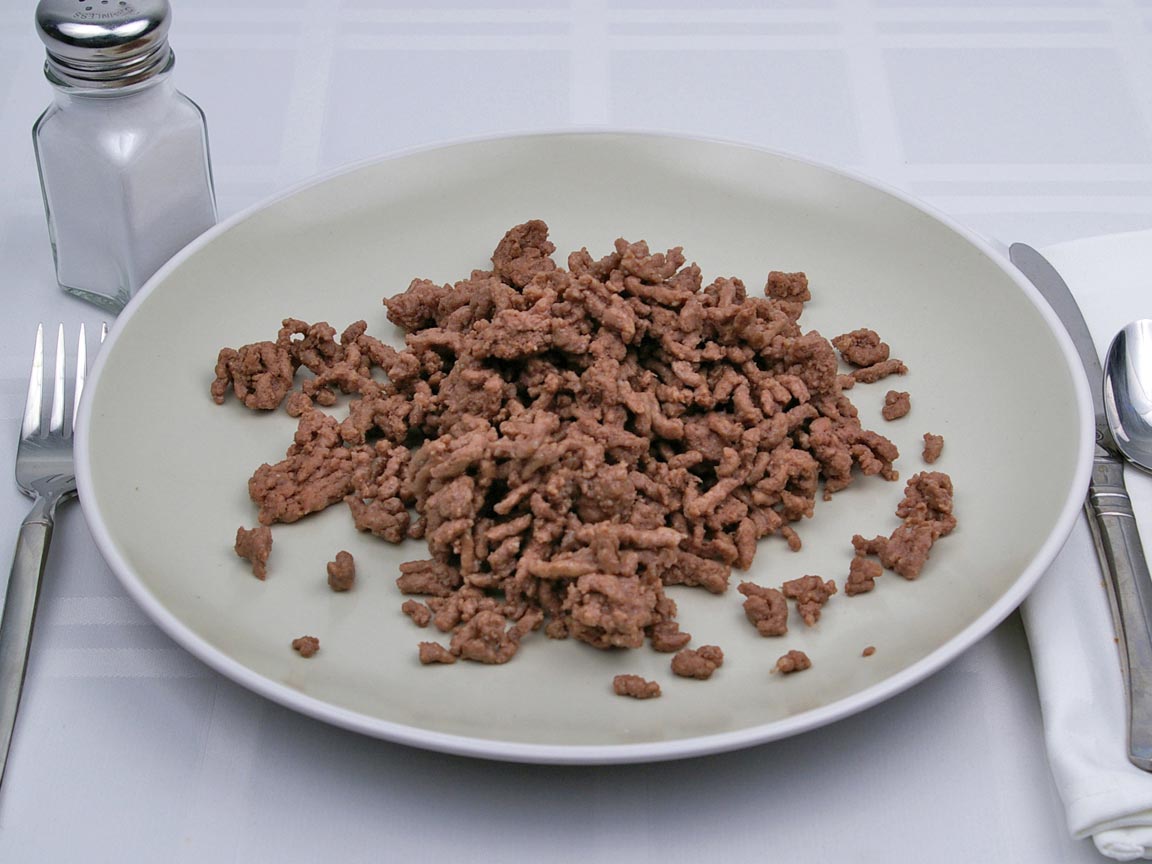
Ground beef is a widely used ingredient in many culinary traditions due to its versatility and rich flavor. Its nutritional profile varies depending on the fat calories ground beef content and preparation methods, making it important to understand its benefits and potential drawbacks.
Ground beef is available in different lean-to-fat ratios, such as 70% lean, 80% lean, 85% lean, and 90% lean. The percentage reflects the amount of lean meat compared to fat. For example, 70% lean ground beef contains 30% fat, while 90% lean ground beef has only 10% fat. The nutritional composition of ground beef is influenced significantly by these ratios. Generally, leaner ground beef provides fewer calories and less fat compared to fattier varieties.
A standard serving size of ground beef, about three ounces, offers a substantial amount of protein, which is crucial for muscle growth, repair, and overall bodily function. In a typical three-ounce portion, you can expect to find approximately 20 to 22 grams of protein. This makes ground beef an excellent source of high-quality protein, which is essential for maintaining muscle mass and supporting various bodily functions.
In addition to protein, ground beef is a rich source of several vital nutrients. It provides significant amounts of vitamin B12, which is essential for red blood cell formation and maintaining healthy nerve cells. Iron, another key nutrient found in ground beef, is critical for oxygen transport throughout the body. Additionally, ground beef contains zinc and selenium, both of which are important for immune system function and antioxidant defense, respectively.
However, the nutritional benefits of ground beef must be balanced with its potential health risks, particularly with higher-fat varieties. Diets high in saturated fats, which are prevalent in fattier cuts of ground beef, can contribute to elevated cholesterol levels and increase the risk of heart disease. This is why many health experts recommend opting for leaner cuts of ground beef and incorporating them into a balanced diet that includes a variety of protein sources, such as poultry, fish, legumes, and plant-based options.
Cooking methods also play a significant role in the nutritional profile of ground beef. Techniques such as grilling, broiling, or baking allow some of the fat to drain away, which can reduce the fat content of the final dish. On the other hand, frying ground beef or cooking it with added oils or fats can increase both the calorie and fat content of the meal. Draining excess fat after cooking can further reduce calorie and fat intake, making it a healthier choice.
Portion control is another important aspect when consuming ground beef. A standard serving size is typically three ounces, which is roughly the size of a deck of cards. Being mindful of portion sizes helps manage calorie intake and supports a balanced diet. Accurate portioning and awareness of serving sizes are effective strategies for maintaining dietary balance and preventing excessive calorie consumption.
Incorporating ground beef into a diet requires careful consideration of its nutritional content. When prepared using healthy cooking methods and combined with a variety of nutrient-dense foods, ground beef can contribute to a well-rounded diet. Combining ground beef with vegetables, whole grains, and other protein sources enhances the overall nutritional profile of meals while managing calorie and fat intake effectively. By making informed choices about leaner cuts, cooking methods, and portion sizes, individuals can enjoy the benefits of ground beef while maintaining a balanced and health-conscious diet.