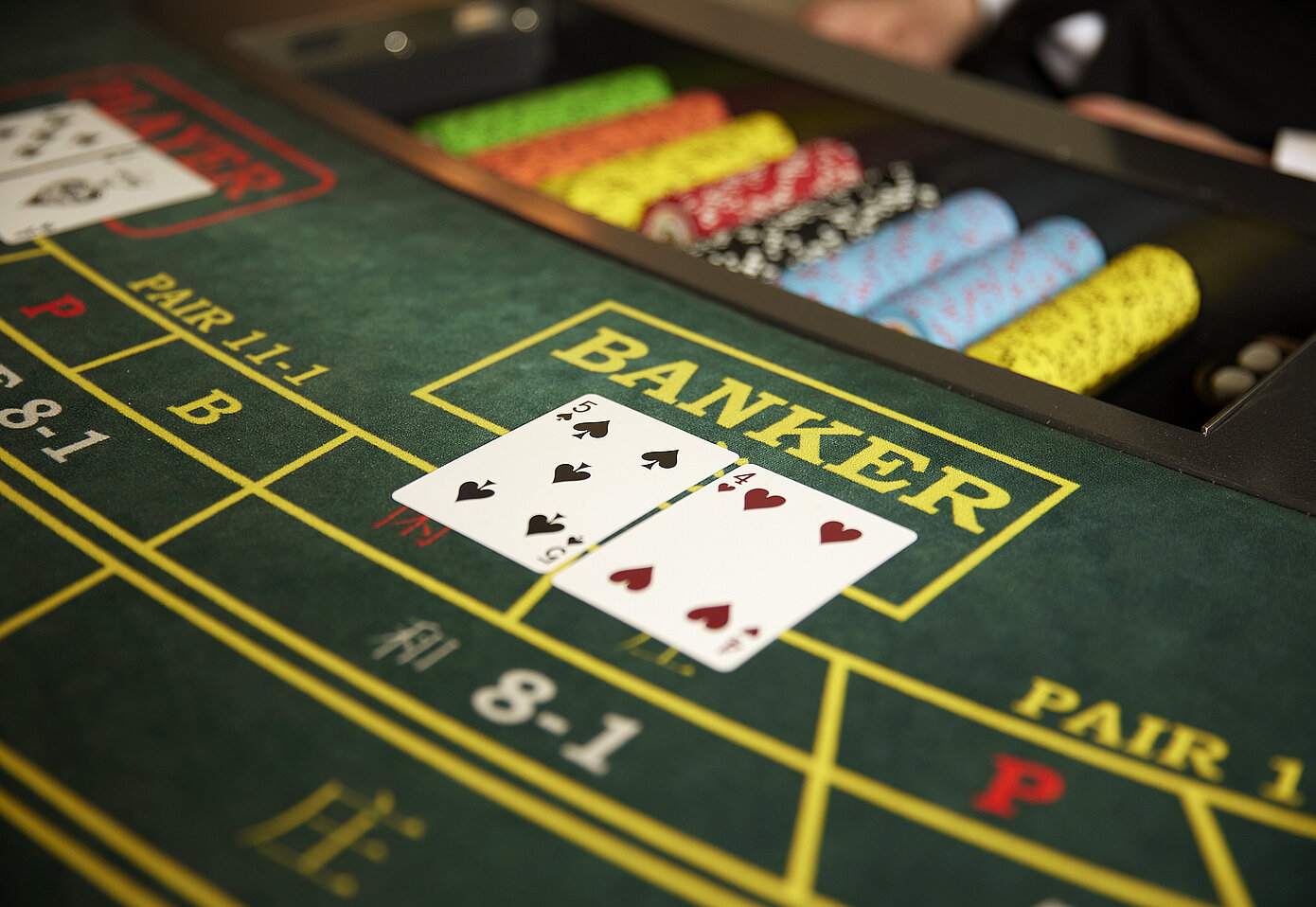
Baccarat, a card game renowned for its sophistication and high-stakes appeal, boasts a history that spans centuries. Its origins trace back to 15th-century Italy, where it was Estratégias de bacará known as baccara, meaning “zero” in Italian. This name reflects the game’s rule that face cards and tens are valued at zero. The game was initially a pastime for Italian aristocrats, admired for its simplicity and elegance.
In the 19th century, baccarat made its way to France, where it became a popular game among the French elite. In this version, called Chemin de Fer, players could take turns as the Banker, which introduced a new level of strategy and player interaction. Baccarat continued to spread across Europe and into the united states, evolving into several variations and becoming a staple in the world’s most prestigious casinos.
Understanding how Baccarat is Played
Baccarat is a straightforward card game with a few simple rules. The primary objective is to bet on which of two hands—the Player’s hand or the Banker’s hand—will have a total value closest to nine. There is also an option to bet on a Tie between the two hands. The game uses one or more standard 52-card decks, and the card values are as follows:
Cards 2 through 9: Face value.
10s, Jacks, Queens, and Kings: Worth zero points.
Aces: Worth one point.
Each hand is dealt two cards, and the total value is calculated by adding the values of the two cards. If the total exceeds nine, only the last digit of the total is used. For example, if a hand has a 7 and an 8, the total is 15, which counts as 5. The hand with the total closest to nine wins. Bets are placed on the Player’s hand, the Banker’s hand, or a Tie, and the game’s outcome is determined based on fixed rules for drawing a third card.
Popular Variants of Baccarat
Baccarat comes in several popular variants, each offering a unique twist on the classic game:
Punto Banco: The most common form of baccarat found in casinos. In Punto Banco, players bet on the Player’s hand, the Banker’s hand, or a Tie, with the outcome decided by a fixed set of rules. This version is purely based on chance, with no player decisions affecting the game.
Chemin de Fer: A traditional version of baccarat where players take turns being the Banker. This variant allows players to make strategic decisions about drawing a third card, adding a layer of skill and interaction to the game.
Baccarat Banque: A variant where the Banker role is fixed for the entire game. Players can challenge the Banker’s hand, creating a competitive atmosphere with higher stakes and more strategic opportunities.
Strategies and Betting Systems in Baccarat
While baccarat is largely a game of chance, players often employ various strategies and betting systems to manage their wagers:
Martingale System: This strategy involves doubling your bet after each loss. The idea is that a win will recover all previous losses. However, it requires a large bankroll and can be risky during extended losing streaks.
Paroli System: A positive progression system where players increase their bets after each win. The strategy aims to capitalize on winning streaks while preserving the initial stake.
1-3-2-6 System: A structured betting system where players follow a specific sequence of bets. The system balances risk and reward by increasing bets during winning streaks and minimizing losses.
Baccarat in Modern Culture and Casinos
Baccarat’s allure extends beyond the casino floor into popular culture. The game is famously depicted in Ian Fleming’s Casino Royale, where James Bond’s high-stakes baccarat game symbolizes sophistication and glamour. This portrayal has cemented baccarat’s image as a game for the elite.
In the digital age, baccarat continues to thrive in both land-based and online casinos. Online platforms offer a range of baccarat games, including live dealer options that recreate the atmosphere of traditional casinos. This accessibility has allowed baccarat to reach a global audience, maintaining its popularity and appeal.
Conclusion
Baccarat is more than a card game; it represents a blend of historical prestige, elegant gameplay, and exciting opportunities. From its origins in Italy to its status as a global casino classic, baccarat offers a rich and engaging experience for players. Whether you are captivated by its historical significance, the simplicity of its rules, or the thrill of high-stakes play, baccarat remains a timeless and beloved game.
This 500-word article offers a detailed look at baccarat’s history, gameplay, variants, strategies, and cultural impact, providing a well-rounded overview of the game.