The Role and Impact of HR Systems in Modern Organizations
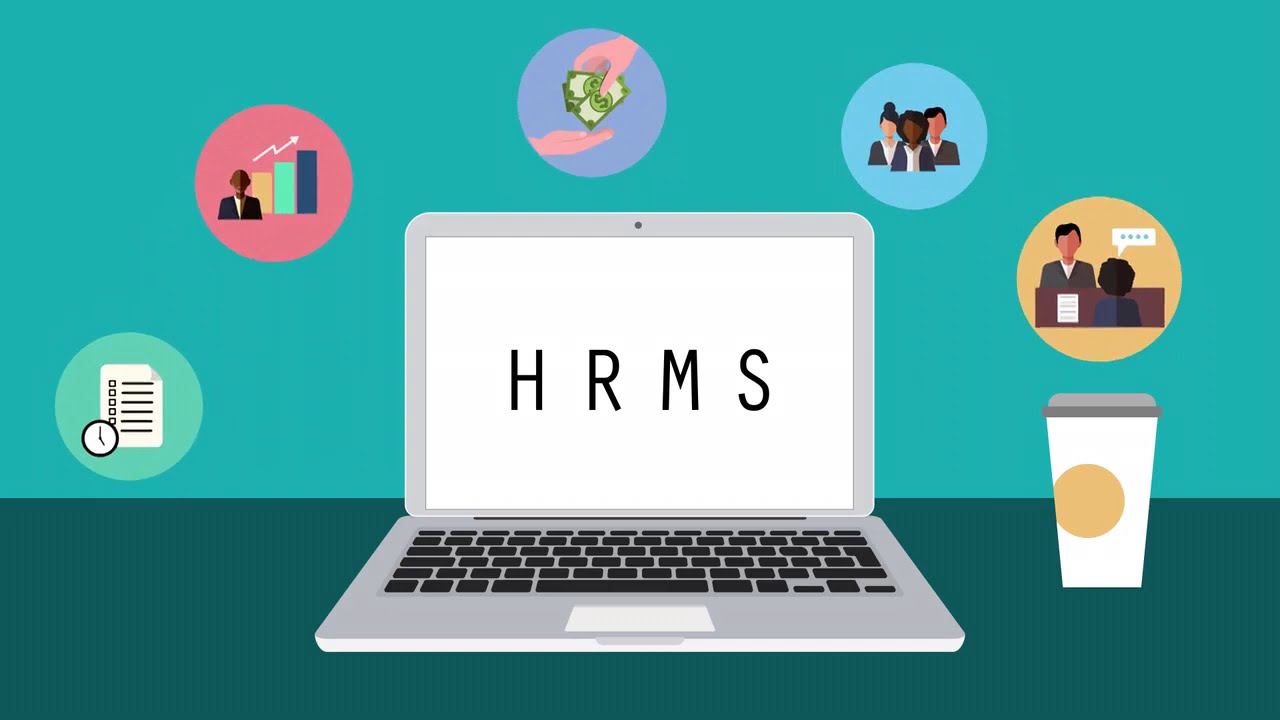
Human Resource (HR) systems have undergone remarkable advancements, shaping how organizations manage and optimize their workforce. These systems, once simple record-keeping tools, have evolved into comprehensive platforms that integrate various HR functions 打卡系統 . This article explores the significance, features, and future trends of modern HR systems and their impact on organizational effectiveness.
- Historical Context of HR Systems
Historically, HR management relied on manual processes, including physical files and handwritten records, to handle employee information, payroll, and benefits. This method was not only cumbersome but also prone to errors and inefficiencies. As organizations expanded, the need for more sophisticated solutions became evident, leading to the development of early digital HR systems designed to streamline and automate administrative tasks. - Evolution to Digital HR Solutions
The transition from manual to digital HR systems marked a significant shift in human resource management. Early digital solutions automated routine tasks such as payroll processing and benefits administration, reducing the reliance on paper-based methods. This automation improved accuracy and efficiency, enabling HR professionals to focus more on strategic initiatives rather than day-to-day administrative duties. - Integration and Unified Platforms
Modern HR systems are characterized by their ability to integrate various HR functions into a single, unified platform. This integration allows for seamless data flow between different modules, such as payroll, benefits, recruitment, and performance management. By consolidating HR processes into one system, organizations can ensure data consistency, improve reporting capabilities, and enhance overall operational efficiency. - Cloud-Based HR Solutions
The advent of cloud technology has revolutionized HR systems, offering unprecedented flexibility and scalability. Cloud-based HR solutions allow organizations to access their HR data and tools from anywhere with an internet connection. This remote accessibility facilitates better collaboration, reduces the need for on-premises infrastructure, and enables HR departments to scale their systems in response to organizational growth. - Employee Self-Service Capabilities
One of the notable advancements in HR systems is the implementation of employee self-service portals. These portals empower employees to manage their own HR-related tasks, such as updating personal information, requesting time off, and accessing pay stubs. Self-service features enhance the employee experience by providing greater autonomy and reducing the administrative workload for HR staff. - Advanced Analytics and Reporting
Modern HR systems incorporate advanced analytics and reporting tools that provide valuable insights into various aspects of workforce management. By leveraging data analytics, HR professionals can track key performance indicators, analyze employee trends, and make data-driven decisions. This capability helps organizations identify areas for improvement and develop strategies to address workforce challenges. - Talent Management and Development
Effective talent management is a core function of contemporary HR systems. These platforms offer tools for performance management, career development, and succession planning. By utilizing these features, organizations can monitor employee performance, identify potential leaders, and create development plans that align with both individual and organizational goals. This focus on talent development supports long-term growth and organizational success. - Compliance and Risk Management
Compliance with labor laws and regulations is a critical aspect of HR management, and modern HR systems include features designed to address these concerns. Automated compliance tools help organizations stay updated with legal requirements, manage risks, and maintain accurate records. This functionality ensures that HR departments can effectively navigate complex regulatory environments and avoid potential legal issues. - Enhancing Employee Experience
HR systems play a vital role in enhancing the overall employee experience by providing tools that support engagement, satisfaction, and well-being. Features such as onboarding workflows, employee feedback mechanisms, and engagement surveys contribute to a positive work environment. By focusing on employee experience, HR systems help organizations build a motivated and committed workforce. - Future Trends and Innovations
The future of HR systems is likely to be shaped by ongoing advancements in technology. Emerging trends such as artificial intelligence (AI), machine learning, and automation will further enhance HR capabilities. These innovations promise to provide more personalized employee experiences, improve predictive analytics, and streamline HR processes, positioning HR systems as critical tools for future workforce management.
Conclusion
HR systems have evolved from basic administrative tools to sophisticated platforms that integrate various HR functions and support strategic decision-making. By centralizing HR processes, leveraging advanced analytics, and embracing new technologies, modern HR systems play a crucial role in optimizing workforce management and driving organizational success. As technology continues to advance, HR systems will remain essential in shaping the future of human resource management and enhancing overall business performance.
You may also like

Leave a Reply