Unstoppable Growth: The Legal and Regulatory Characteristics of the Industrial Automation Fair
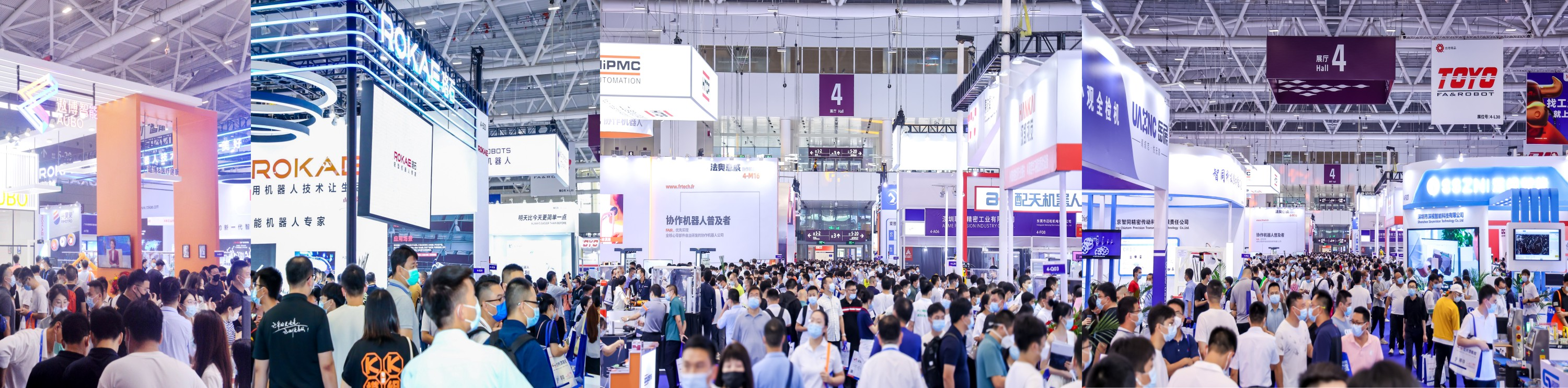
The industrial automation market is experiencing unprecedented growth, driven by advancements in technology and an increasing demand for efficiency across various sectors. As industries strive to optimize their operations, events such as the industrial automation fair have emerged as pivotal platforms for showcasing innovations and fostering collaboration among stakeholders. This fair not only highlights technological advancements but also serves as a critical forum for discussing the legal and regulatory frameworks that govern industrial automation.
Understanding the Legal Frameworks at the Industrial Automation Fair
The Industrial Automation Fair encompasses a wide range of legal attributes that are essential for ensuring compliance within this rapidly evolving sector. Key characteristics include adherence to safety regulations, intellectual property rights protection, and environmental laws aimed at promoting sustainable practices. Furthermore, sustainability standards play a crucial role in shaping industry norms; they guide manufacturers towards adopting eco-friendly technologies while complying with local and international legislation.
Find more about robotics & automation exhibition.Robotics & Automation Exhibition: A Focus on Sustainability Standards

The Robotics & Automation Exhibition segment of the Industrial Automation Fair places significant emphasis on sustainability standards that align with contemporary environmental goals. Exhibitors showcase cutting-edge robotic solutions designed to minimize energy consumption and reduce waste throughout production processes. These innovations not only enhance operational efficiency but also comply with stringent sustainability criteria set forth by regulatory bodies, thereby reinforcing their commitment to responsible manufacturing practices.
Diving Deeper into ITES’ Role in Sustainability Standards
The Information Technology Enabled Services (ITES) sector plays a vital role in advancing sustainability standards within industrial automation contexts. By leveraging data analytics and cloud computing technologies, ITES providers facilitate real-time monitoring of resource utilization across manufacturing systems. This capability allows organizations to identify inefficiencies promptly while adhering to established environmental regulations—ultimately leading to more sustainable operational models that benefit both businesses and society at large.
Conclusion: The Path Forward for Sustainability Standards at the Industrial Automation Fair
In conclusion, the Industrial Automation Fair stands out as an influential event where legal frameworks intersect with innovative technological developments aimed at achieving sustainability standards. Through its focus on robotics, automation exhibitions, and IT-enabled services, this fair underscores the importance of compliance with regulatory requirements while championing environmentally conscious practices within industrial settings. As we move forward into an era defined by rapid technological advancement coupled with heightened awareness around ecological responsibility, it is imperative that all stakeholders remain committed to upholding these vital principles during future endeavors.

You may also like

Leave a Reply